
Author
chateditor
Share
Author
chateditor
Share
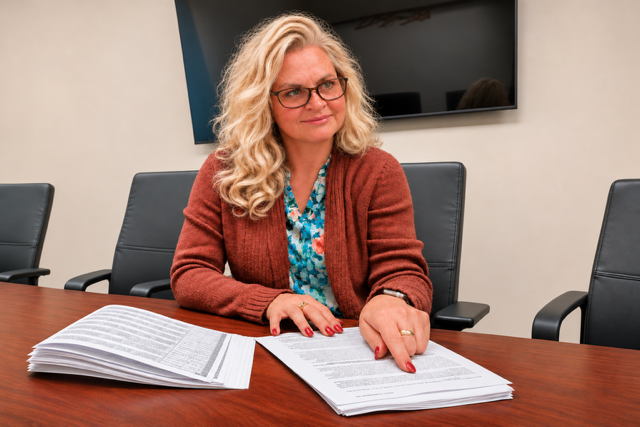
Estate planning documents often arrive as a packet with separate instructions for each signature. Some documents may call for notarization, witnesses or both. A mobile notary can make scheduling easier when several people need to be available or when a signer prefers to meet at home.
Check the instructions for each document
A trust packet may include a certification of trust, powers of attorney or a deed. Before you book, ask your attorney or document preparer which signatures need notarization, who must appear and whether witnesses are needed. Keep their written instructions with the packet so you can refer to them during the visit.
Ask the preparer to resolve missing pages, name differences and questions about how to sign. If the preparer has given you a deadline, mention it when you schedule and allow time to return the completed paperwork.
Prepare for the mobile notary appointment
Set out the complete packet and acceptable identification for each signer. Have the preparer confirm whether anyone should sign in advance. Some acts require signing in the notary’s presence. The California Secretary of State’s handbook explains the difference between an acknowledgment and a jurat.
Arrange a quiet table and make sure the required signers and any witnesses can attend at the same time. If you are setting up a visit for someone else, make sure they have time to review the papers and speak directly with their attorney about any questions before signing day.
Schedule a visit for your estate planning documents
contact Grass Valley Notary with your location, the number of signers, the instructions you received and your preferred time. You can ask about travel and appointment availability before circulating a date to everyone. Keep your attorney’s number handy in case a question about the paperwork comes up.
